
green tinted mirror
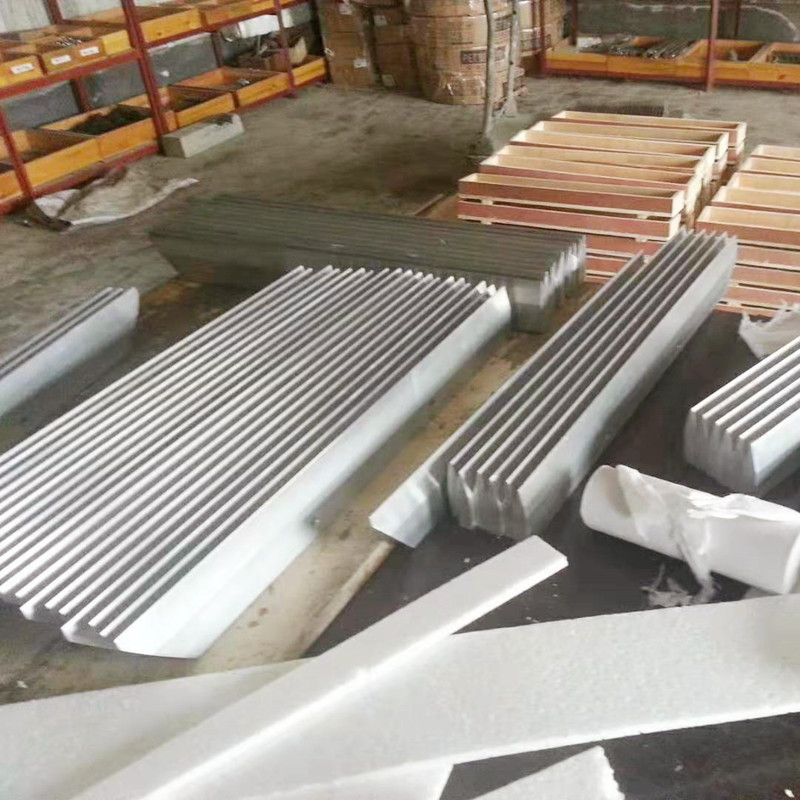
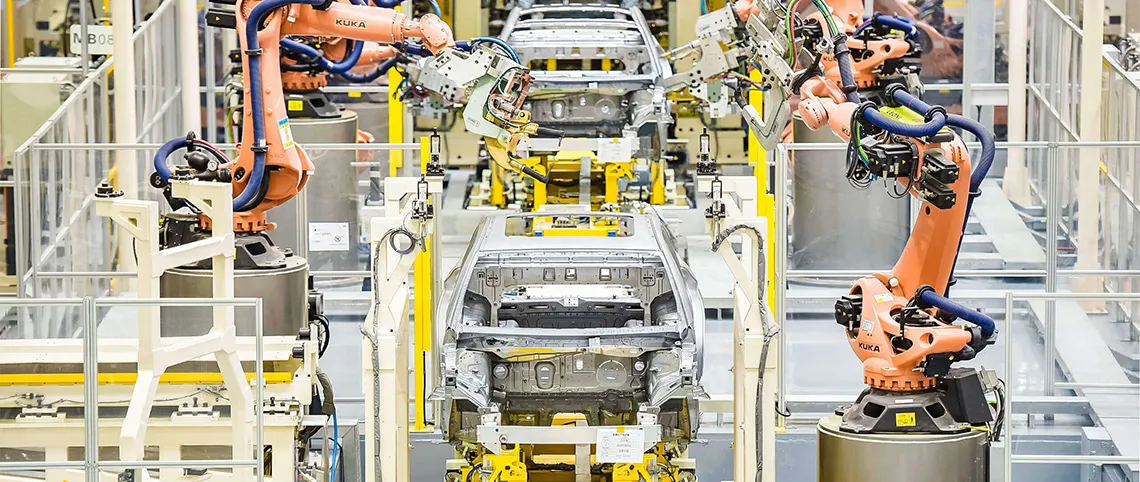
Heavy Duty Fabrication A Critical Component of Modern Industry Heavy duty fabrication is an essential element in various industries, playing a pivotal role in the construction and manufacturing sectors. This process involves the creation of large and robust structures made from materials such as steel, aluminum, and other alloys, designed to withstand harsh environments and heavy loads. Nowadays, heavy duty fabrication is not only limited to traditional sectors such as construction and manufacturing but has also expanded into areas such as automotive, aerospace, and energy. Heavy Duty Fabrication A Critical Component of Modern Industry One of the critical aspects of heavy duty fabrication is material selection. Engineers and fabricators must choose materials that not only meet the specific requirements of a project but also possess durability and strength to handle extreme conditions. For instance, in marine environments, materials that are resistant to corrosion are essential. Similarly, in high-stress applications, such as aerospace, lightweight yet robust materials are preferred to enhance performance while maintaining safety. heavy duty fabrication table In addition to material selection, advanced technology has also revolutionized the heavy duty fabrication industry. Innovations like CNC (Computer Numerical Control) machining, laser cutting, and robotic welding have dramatically increased the speed and accuracy of the fabrication processes. These technologies allow for complex designs to be fabricated with minimal human intervention, reducing the potential for errors and improving consistency across production runs. Safety is another paramount consideration in heavy duty fabrication. Given the scale and weight of the components being handled, implementing rigorous safety protocols is essential. This includes the proper training of personnel, use of protective equipment, and adherence to industry regulations. Manufacturers are also increasingly focusing on ergonomic designs and practices to safeguard workers who handle heavy materials regularly. Furthermore, sustainability has emerged as a significant trend in the fabrication industry. As global awareness of environmental issues increases, many companies are looking for ways to minimize waste and reduce their carbon footprint. Utilizing recycled materials, improving energy efficiency in fabrication processes, and employing eco-friendly paints and coatings are all strategies that heavy duty fabrication companies are adopting to contribute to a greener planet. In conclusion, heavy duty fabrication is a cornerstone of modern industrial operations, providing the backbone for various sectors. Its emphasis on precision, technology, and safety ensures that structures and components meet the demands of contemporary applications. As industries continue to evolve, heavy duty fabrication will remain vital in supporting innovation and sustainability while meeting the challenges of tomorrow’s engineering demands. The future of heavy duty fabrication appears promising, with ongoing advancements poised to enhance efficiency and reduce the environmental impact of this indispensable field.
about
green tinted mirror
The Importance of Threaded Ring Gauges in Precision Engineering Threaded ring gauges are essential tools in precision engineering and quality control. They serve a critical role in ensuring that threaded components fit together correctly and function as intended. This article will delve into the definition, significance, application, and advantages of threaded ring gauges. What is a Threaded Ring Gauge? A threaded ring gauge is a specialized measuring instrument designed to check the dimensional properties of external threads on cylindrical parts. It has internal threads that mimic the specifications of a standard component, allowing it to assess whether a threaded part is within acceptable tolerances. Typically, a threaded ring gauge comes in two types “go” and “no-go.” - Go Gauge This is used to determine if the thread being tested fits correctly. It is calibrated to the minimum required dimension. If the threaded component fits the go gauge, it is deemed acceptable. - No-Go Gauge This gauge checks the maximum allowable limits of the thread. If the component fits the no-go gauge, it indicates that the thread is oversized and thus unacceptable. Significance of Threaded Ring Gauges The utilization of threaded ring gauges plays a crucial role in ensuring the performance and safety of mechanical assemblies. Correctly threaded components prevent issues such as misalignment, excessive wear, and even catastrophic mechanical failures. In industries where precision is vital—such as automotive, aerospace, and manufacturing—threaded ring gauges are indispensable. Applications in Various Industries Threaded ring gauges find applications across various sectors. 1. Manufacturing In manufacturing, especially during the production of fasteners and bolts, these gauges are utilized to ensure uniformity and reliability in threaded parts. 2. Automotive In the automotive industry, threaded components are used extensively for assembling vehicles. Ensuring these parts are threaded correctly is vital for safety and performance. threaded ring gauge 3. Aerospace In aerospace applications, where safety is paramount, the use of threaded ring gauges guarantees that components adhere to rigorous standards, thus ensuring the integrity of the aircraft structures. 4. Construction In construction, threaded gauges help ensure that various structural connections—such as those found in steel framing—are reliable and meet industry standards. Advantages of Using Threaded Ring Gauges The advantages of using threaded ring gauges are manifold - Accuracy They provide precise measurements, helping to maintain high manufacturing standards. - Time Efficiency Using go/no-go gauges speeds up the inspection process, allowing manufacturers to streamline their quality control efforts. - Cost-Effectiveness Early detection of threading issues can prevent costly rework or replacement in the production cycle. - User-Friendly Threaded ring gauges are simple to use, requiring minimal training for operators, thus improving productivity. Conclusion In conclusion, threaded ring gauges are vital instruments in the realm of precision engineering and manufacturing. Their ability to ensure the accuracy of threaded components is critical for maintaining quality and safety standards across various industries. As technology continues to evolve, so too will the methods and materials used in threaded ring gauge production, but the fundamental purpose will remain unchanged to provide impeccable quality control and assurance in threaded connections. The ever-increasing demand for precision in engineering emphasizes the importance of these gauges in achieving optimal operational performance. Investing in quality threaded ring gauges can lead to improved product quality, enhanced safety, and increased customer satisfaction for manufacturers.
-

High quality industrial productsagement

High quality industrial products
View Details -

Meet the diverse needs of customers

Meet the diverse needs of customers
View Details -

Strict quality control

Strict quality control
View Details -

Top raw materials

Top raw materials
View Details -

Trusted supplier

Trusted supplier
View Details
Our application

news and information
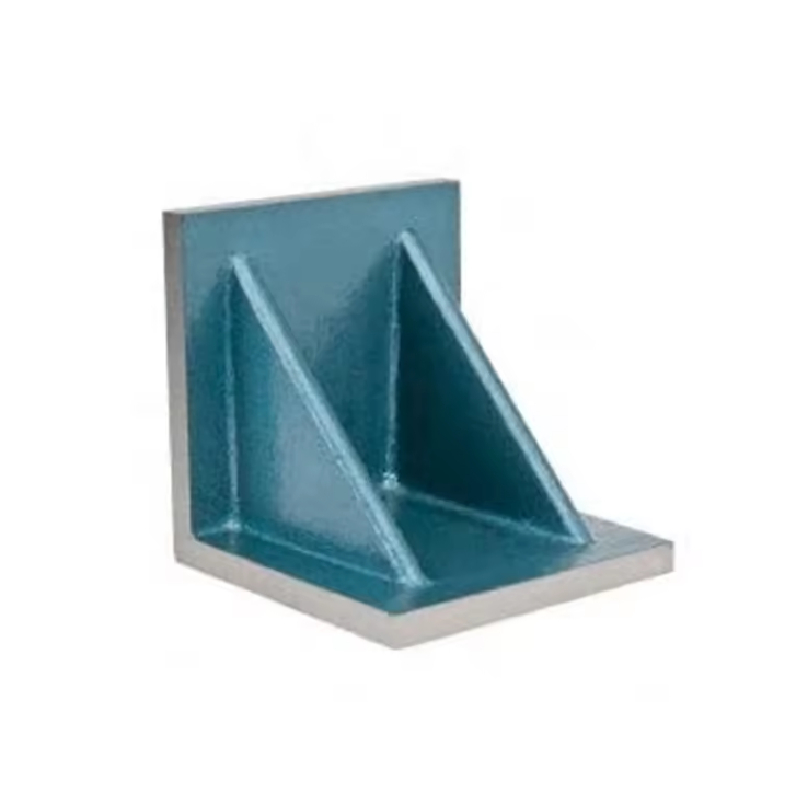
Van cầu cân bằng cho hệ thống ống dẫn hiệu quả cao và bền bỉ
Van Bi Cân Bằng Giải Pháp Tối Ưu Cho Hệ Thống Ống Nước Trong ngành công nghiệp hiện đại, việc kiểm s
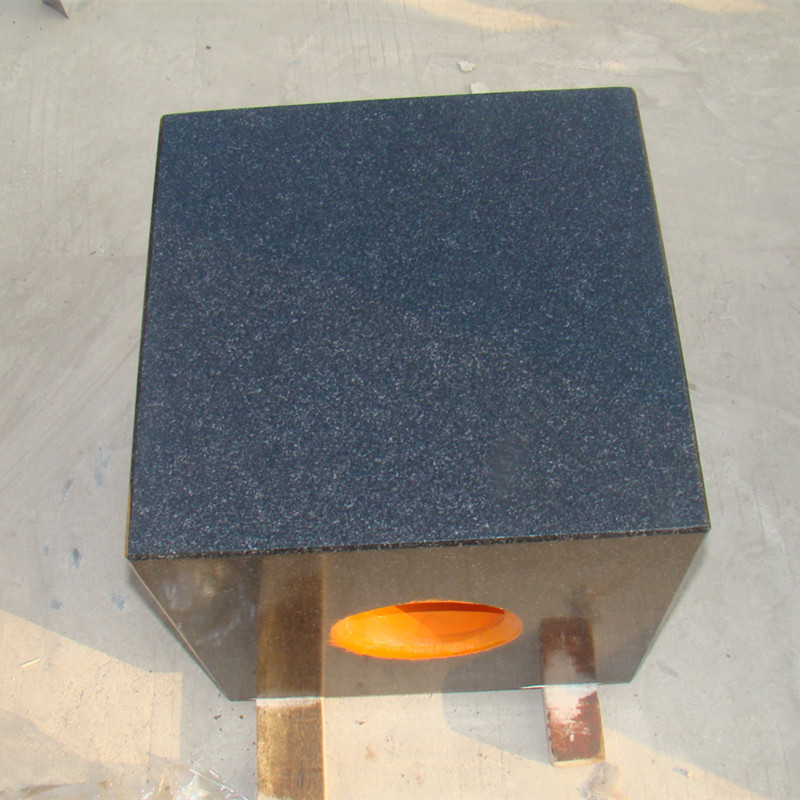
Versatile Wood Connection Brackets for Enhanced Structural Support and Easy Assembly Solutions
The Versatility of Wood Connector Brackets in DIY Projects Wood connector brackets are essential com
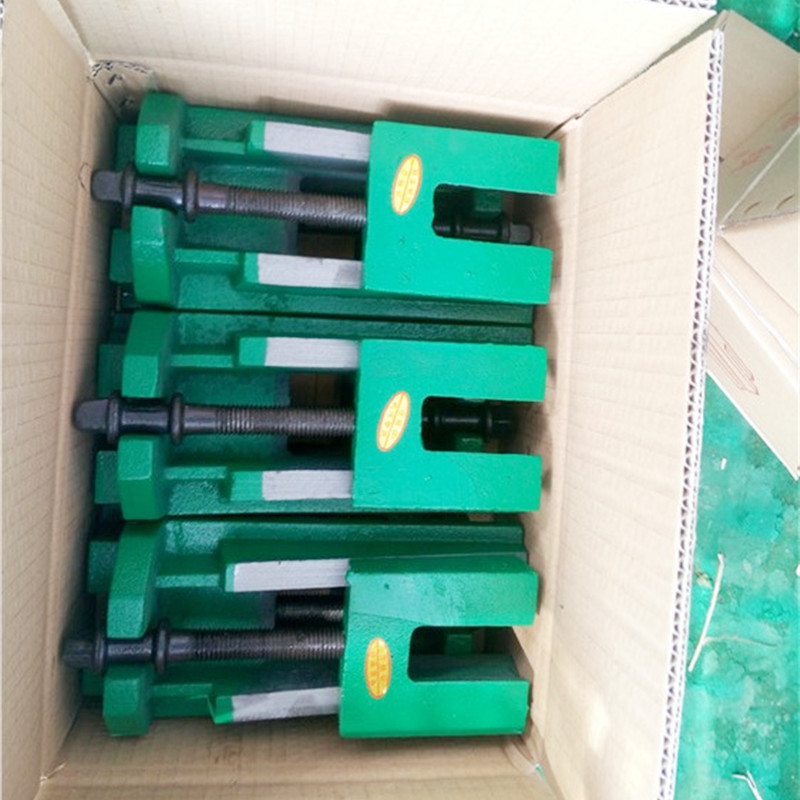
welding tables should be made of
The Importance of Welding Tables Material Considerations Welding is an essential process in various
 English